Are Protein Pop-Tarts a Healthier, Tastier Breakfast Option?
In an era where "protein-fortified" seems to be stamped on everything from yogurt to pasta, it was perhaps only a matter of time before our beloved breakfast indulgence, the Pop-Tart, joined the trend. The introduction of
by Kellogg's sparked curiosity: could these new versions offer a genuinely healthier and equally delicious alternative to the classic toaster pastry? We've delved into the details, comparing taste, texture, and nutritional claims to uncover whether these protein-packed pastries truly deliver on their promise.
The Rise of Protein and Pop-Tarts' Entry
The market for high-protein snacks and meals has exploded, driven by a growing awareness of protein's role in satiety, muscle maintenance, and sustained energy. From fitness enthusiasts to those simply seeking a more filling start to their day, many are actively seeking ways to boost their protein intake. Pop-Tarts, a quintessential comfort food evoking childhood memories, recognized this shift.
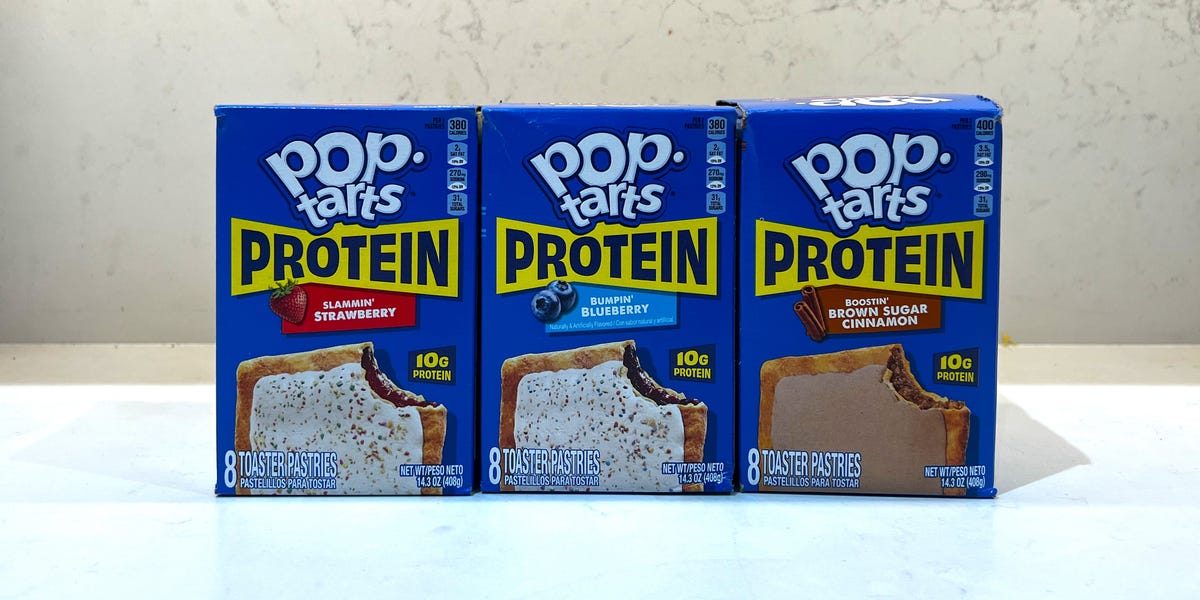
Earlier this fall, alongside the return of a fan-favorite flavor, Pop-Tarts unveiled three new protein-boosted variants: Protein Slammin' Strawberry, Protein Boostin' Brown Sugar Cinnamon, and Protein Bumpin' Blueberry. These flavors mirror some of their most iconic originals, promising a familiar taste with an added nutritional kick. But does a few extra grams of protein truly transform a treat into a healthier breakfast option? And importantly, do they sacrifice taste or texture in the process?
A Closer Look at Nutrition: How Much Protein Are We Talking?
The most significant difference, on paper, is the protein content. Original Pop-Tarts typically contain 4 to 5 grams of protein per package (which is two tarts, or 2 to 2.5 grams per single tart). The new , however, boast 10 grams of protein per serving (two tarts), translating to 5 grams per single tart.
While this represents a doubling of protein per serving compared to the original, it's crucial to put it in perspective. Five grams of protein in a single toaster pastry is certainly an upgrade, offering a more substantial boost than its predecessor. For someone looking to slightly increase their protein intake without completely overhauling their breakfast routine, this could be appealing. Protein at breakfast can help reduce mid-morning cravings and provide a steadier energy release, making this addition a welcome one for many.
However, it's also important to remember that Pop-Tarts are still, at their core, a dessert-like breakfast item. While the added protein is a positive step, consumers should still consider the full nutritional profile, including sugar, calorie, and fat content, when evaluating them as a "healthier" choice. The reference context hints that some found the protein iteration "a little less sweet," which, if consistent across the line, could be another minor nutritional benefit, potentially reducing overall sugar perception if not necessarily the absolute sugar content significantly.
Taste & Texture: The Ultimate Showdown
This is where the rubber meets the road. Can Pop-Tarts truly infuse protein without altering the beloved taste and texture that defines them? The findings from taste tests are surprisingly positive, yet reveal some interesting distinctions.
Toasting Habits
One of the first practical differences noticed was in the toaster. The tend to brown more quickly than their original counterparts. This is a crucial tip for anyone trying them for the first time: *keep an eye on your toaster setting*. You might need to reduce the time or temperature to prevent them from burning, ensuring that perfect golden crust without charring the edges.
Filling Consistency
Upon breaking them open, a distinct textural difference emerges. The classic Pop-Tarts are known for a firmer, sometimes grainier-looking filling. The protein versions, however, consistently feature a gooier, more melted consistency. This visual appeal often makes the protein pastries *look* more appetizing, with the filling appearing richer and more decadent. For those who enjoy a warm, flowing center in their toaster pastry, this change is likely a welcome one.
Crust and Overall Mouthfeel
The crust also sees an upgrade in the protein versions. Testers noted that the protein Pop-Tarts felt thicker and sturdier. This isn't just about structural integrity; it contributes to a more substantial bite and a different overall mouthfeel. While some might prefer the flakier, lighter crust of the original for nostalgic reasons, the sturdier protein crust adds a satisfying chewiness that many found appealing, even describing it as a more "adult" version of the classic.
The Taste Verdict: Surprisingly Similar
Perhaps the most astonishing discovery is how negligible the taste difference is. When tasted side-by-side, many people, including seasoned food critics, had genuine difficulty discerning which was which. Pop-Tarts has done a "phenomenal job" crafting these protein-boosted versions, managing to integrate the protein blend without introducing an off-flavor or gritty texture often associated with protein-fortified products.
Some individuals did note subtle preferences. As mentioned, the protein line was sometimes perceived as "a little less sweet," which appealed to those seeking a more balanced flavor profile. Others preferred the original simply for the nostalgic connection to their childhood. However, the overall consensus points to an incredibly close taste profile, suggesting that consumers trying them on their own would likely not even notice the difference. For a deeper dive into how these new additions truly stack up against their classic counterparts, check out our comprehensive Protein Pop-Tarts Review: How Do They Compare to Originals?. The surprising consistency of taste, despite the protein boost, is a testament to the brand's formulation, a point further explored in Pop-Tarts Protein: The Surprising Truth About Taste & Texture.
Are Protein Pop-Tarts a "Healthier" Choice for Breakfast?
Defining "healthier" is always subjective, especially when discussing a product like Pop-Tarts. While the added protein is a definite nutritional enhancement, it’s important to maintain realistic expectations. These are still essentially dessert pastries.
Here’s a balanced perspective:
- Protein Boost: The extra 5 grams of protein per tart is a genuine benefit for satiety and contributing to daily protein goals, especially for those who often skip protein at breakfast.
- Not a Health Food Staple: They shouldn't replace whole-food, protein-rich breakfasts like eggs, Greek yogurt, or oatmeal with fruit. They are an *improved indulgence*.
- Convenience Factor: For busy mornings, or for those who simply crave a Pop-Tart, the protein versions offer a quick, convenient option that provides a little more nutritional bang for your buck than the original.
- Mindful Consumption: Like any treat, portion control is key. A serving (two tarts) provides 10 grams of protein, but it's still an item to be enjoyed in moderation as part of a balanced diet.
Ultimately, if you're going to eat a Pop-Tart, choosing the protein version provides a slight nutritional upgrade without compromising on the experience. It's a step in the right direction for a product traditionally devoid of significant protein content.
Making Protein Pop-Tarts Work for Your Morning
If you're considering incorporating into your routine, here are some practical tips and insights:
- Adjust Your Toaster: As noted, they brown faster. Start with a lower setting than you would for original Pop-Tarts to avoid burning.
- Pair Strategically: To create a more balanced meal, consider pairing your protein Pop-Tart with a source of fiber and healthy fats, such as a handful of almonds, a piece of fruit, or a glass of milk. This can further enhance satiety and provide a wider range of nutrients.
- Understand Your Goals: If your primary goal is significant muscle building or weight loss, you'll need more substantial protein sources. However, for a quick, satisfying treat that contributes *some* protein, these are a solid choice.
- Flavor Exploration: Don't be afraid to try all three flavors – Slammin' Strawberry, Boostin' Brown Sugar Cinnamon, and Bumpin' Blueberry – to find your favorite. The taste similarities mean you're likely to enjoy whichever flavor you typically prefer in the original line.
- Consider the Cost: Protein-enhanced products often come with a slightly higher price tag. Weigh the added nutritional benefit against the cost if budget is a concern.
While the world might not *need* protein in every single food item, as some experts suggest we're overestimating our general protein needs, these Pop-Tarts represent a well-executed venture into the protein trend, offering a genuinely comparable, and for some, even superior, experience.
Conclusion
The new are a fascinating addition to the breakfast aisle, successfully blending nostalgia with modern nutritional trends. They deliver a modest, yet meaningful, protein boost without sacrificing the iconic taste that Pop-Tarts fans cherish. While they brown faster and boast a gooier filling and sturdier crust, these textural changes are often seen as improvements by those who've tried them.
Are they a healthier breakfast option? Yes, in the sense that they offer more protein than their original counterparts, potentially aiding in satiety and providing a touch more nutritional value to what is fundamentally a treat. Are they a *tastier* option? Many would argue yes, especially those who appreciate a slightly less sweet profile, a gooier filling, or a sturdier crust. Ultimately, Pop-Tarts has done an admirable job in crafting a product that enhances the experience without alienating its loyal fanbase, making protein Pop-Tarts a solid pick for anyone craving a classic treat with a slight nutritional edge.